Preserving Family Memories Through Documentary Photography
The photographs we treasure most aren't always the ones where everyone is looking at the camera. Sometimes, they are the ones that take us right back to a particular place, a particular time, and the people we were then.
That is what I love about documentary family photography with an Orlando photographer. It can preserve more than what your family looked like. It can preserve who you were, where you were, and what life felt like in that chapter!
What Are We Really Preserving When We Take Family Photos?
When we think about family photographs, we usually think about faces first. We want to remember what our children looked like, how small they were, and what our family looked like together. But the photographs that actually take us back years later often hold more than that.
Think about the photographs you take on vacation. You don't just want to remember the destination. You want to remember who you were with, what you were doing, where you were, and how you felt being there together. The photograph brings back the experience, not just the view.
A photograph can remind you of your child's face, but it can also remind you of their personality at that age, the way they interacted with their siblings, what your home looked like, or what your family did together on an ordinary afternoon. That's the part I want to preserve.
Why the Place Matters, Too
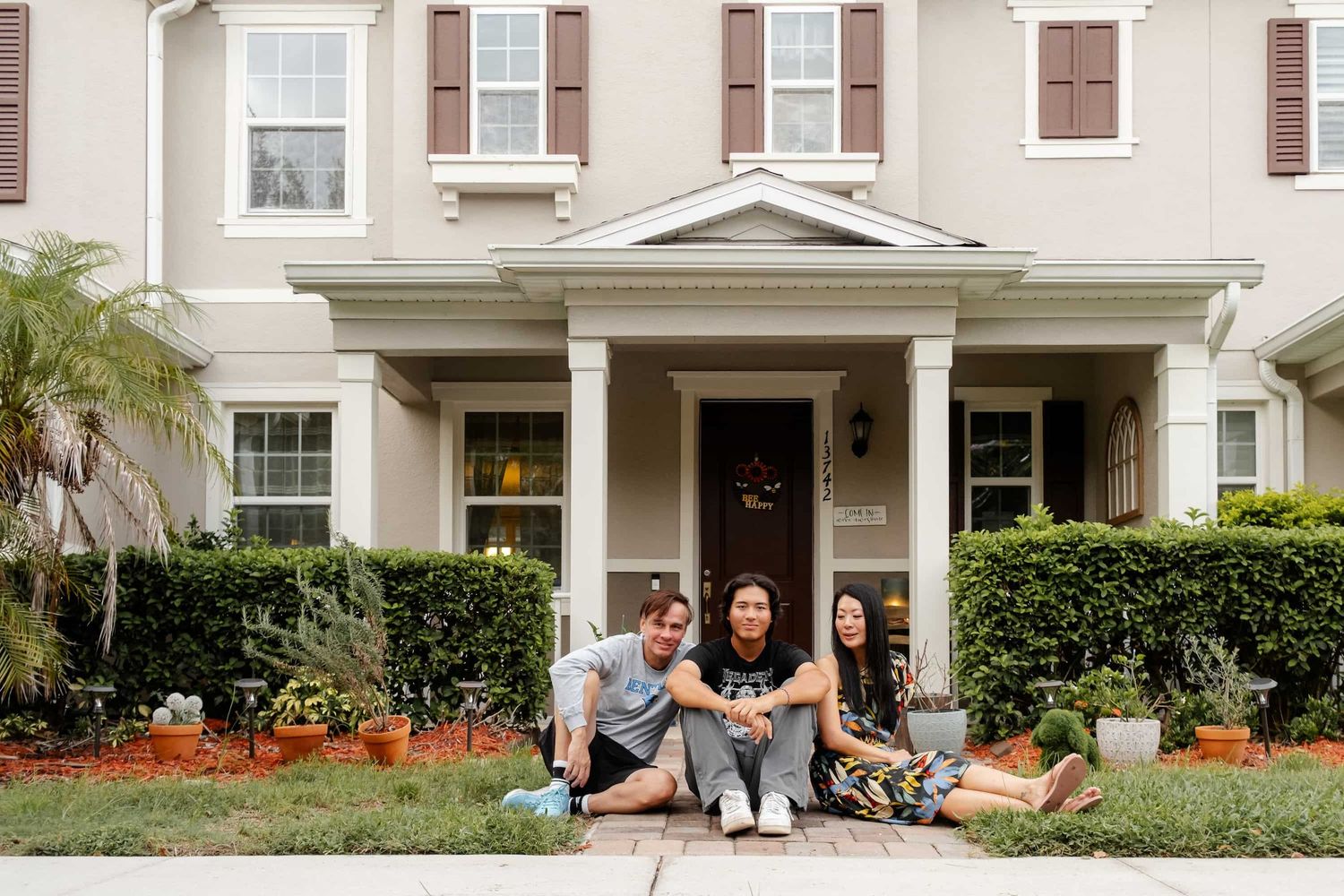
The places where we spend our lives become part of our memories. A home, a backyard, a favorite chair, or even the kitchen table can carry meaning because of everything that happened there. When those places appear in photos, they give the images context. Years from now, you may not just see your family. You may remember the home you lived in, the stage of life you were in, and the things that filled your days.
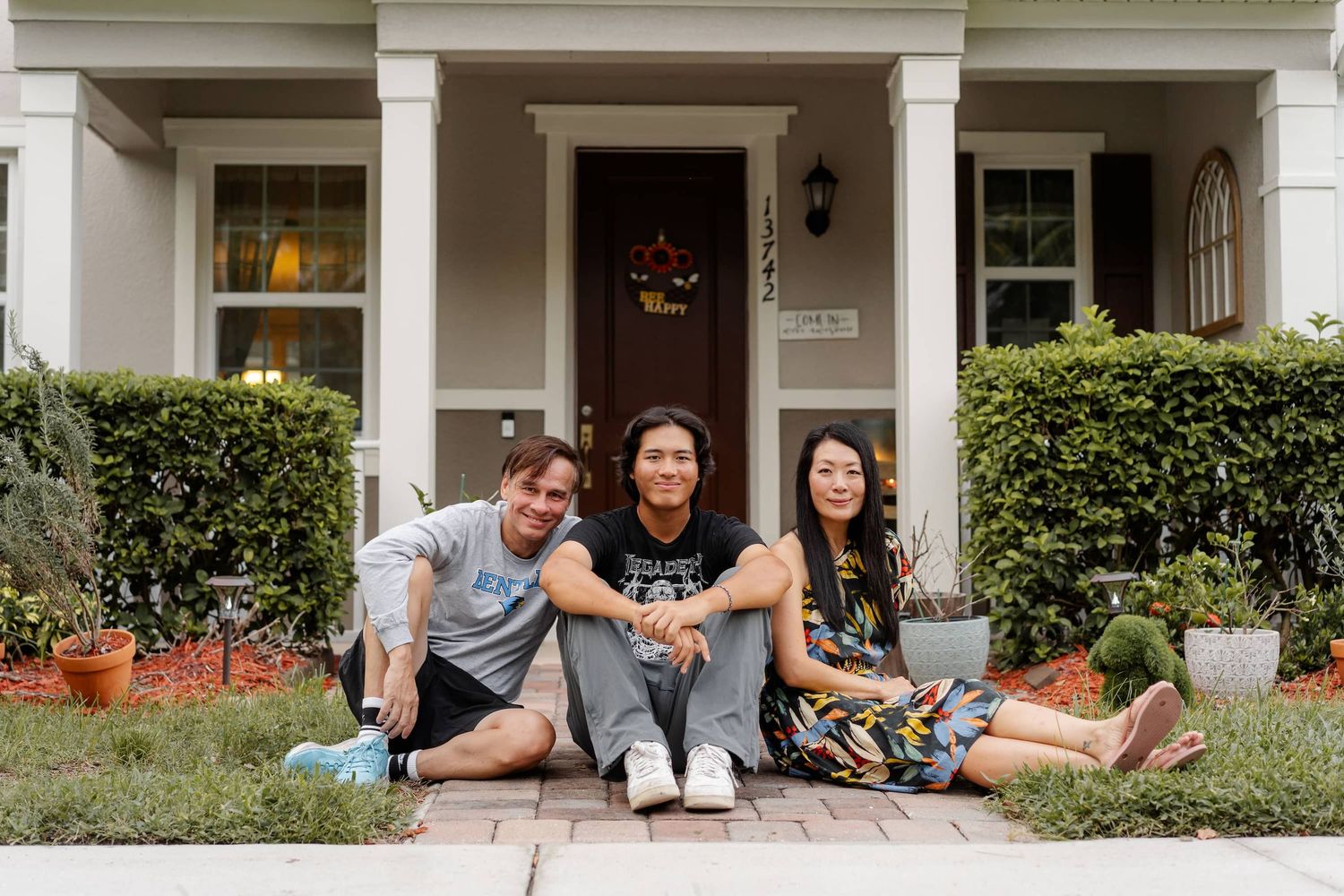
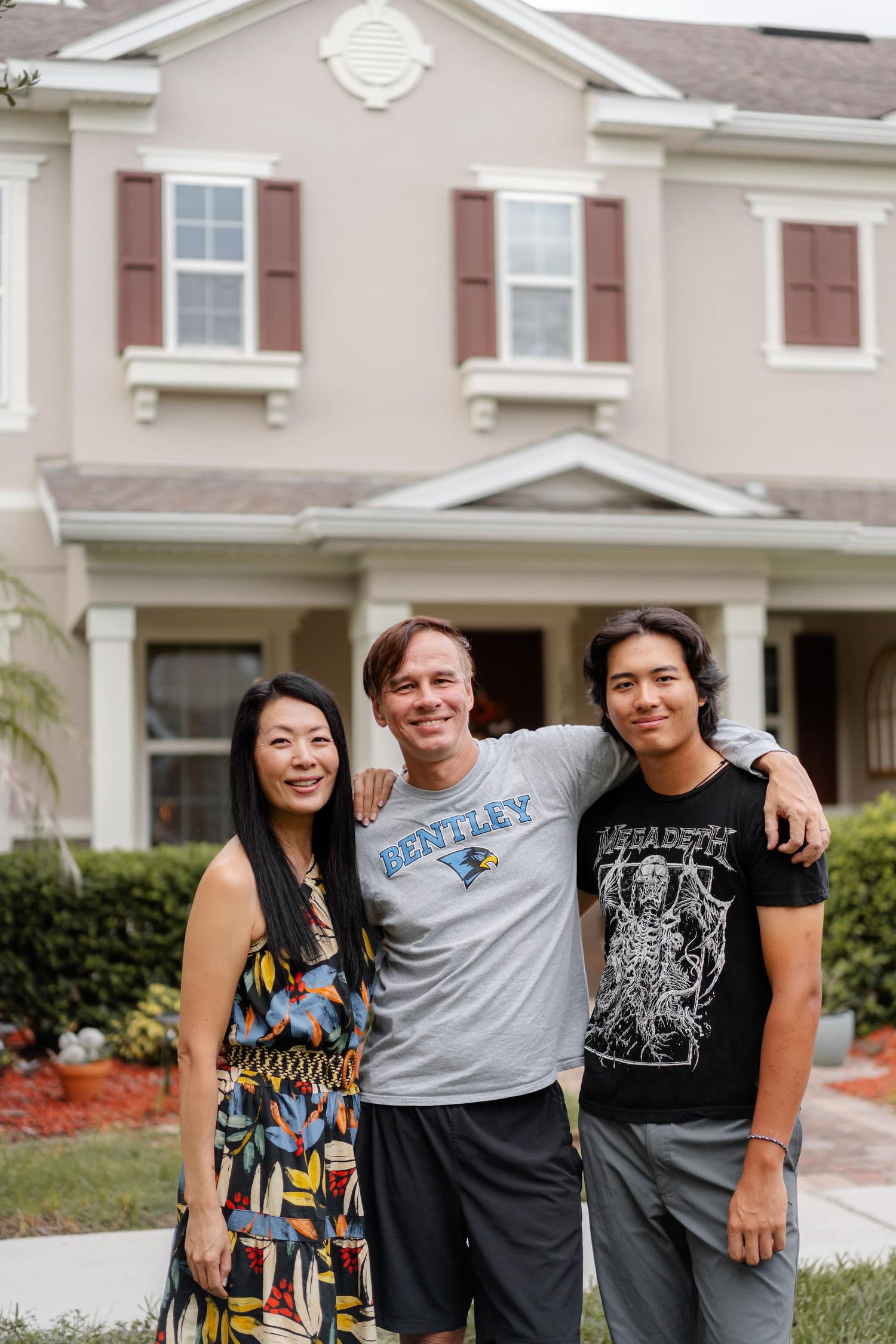
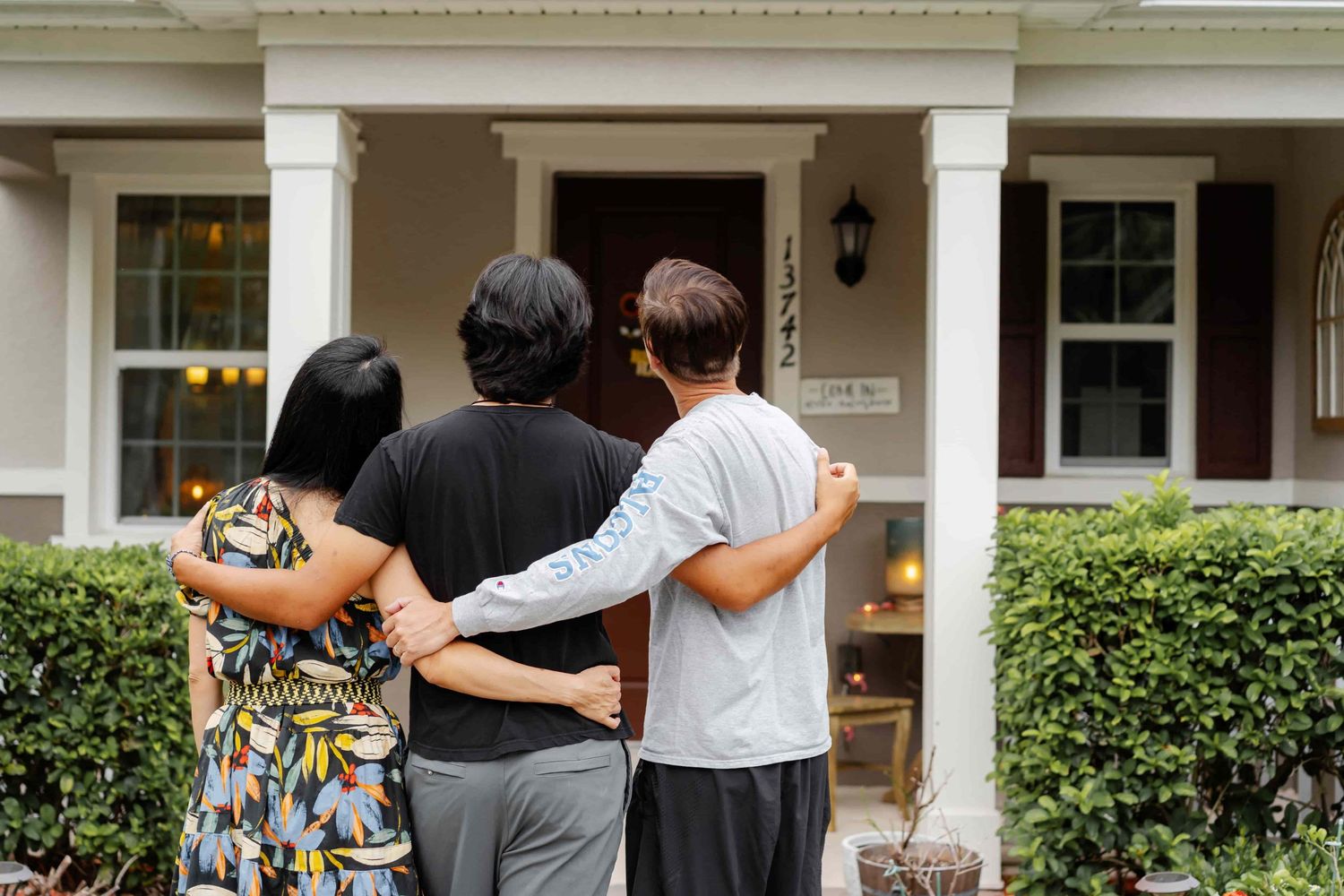
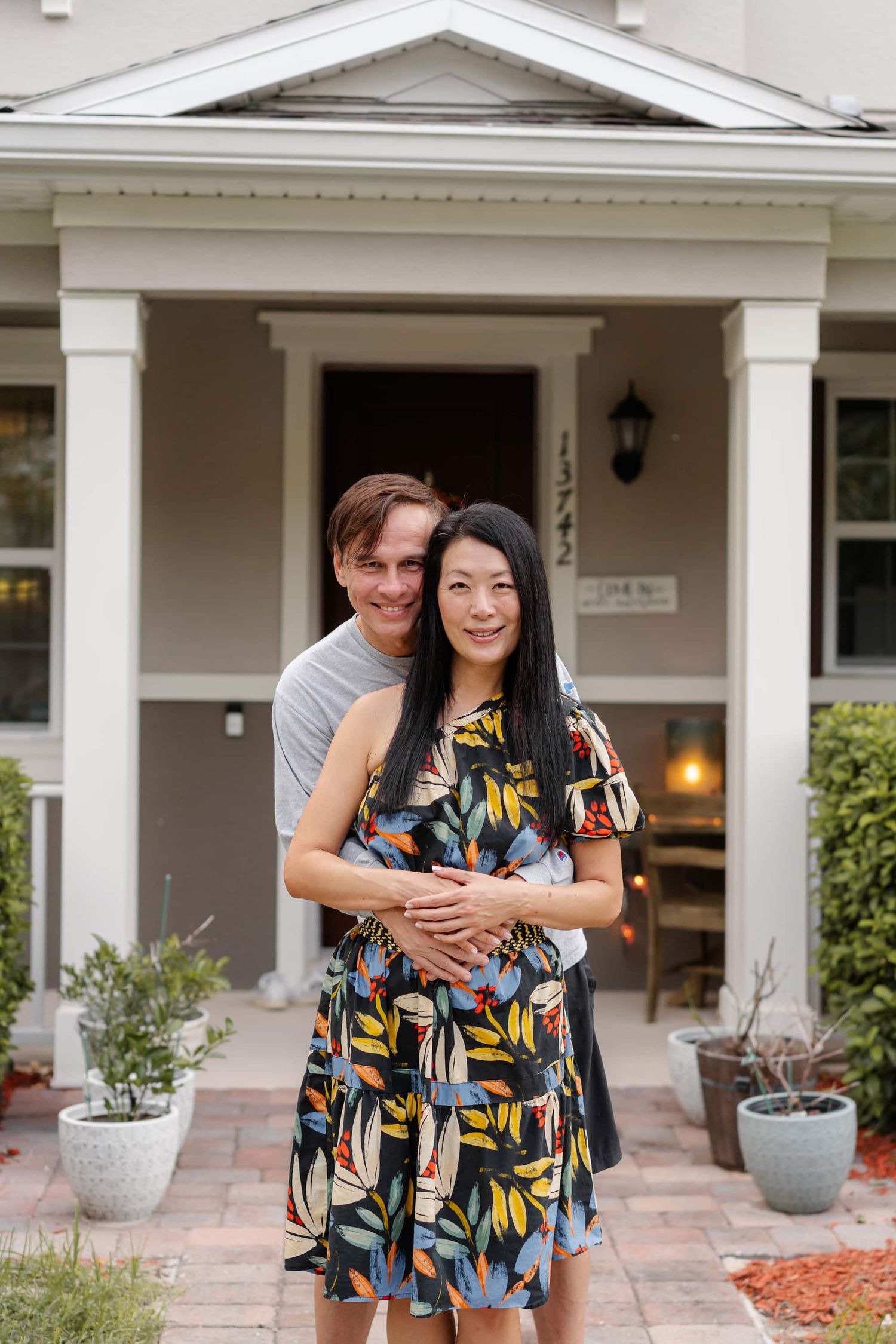
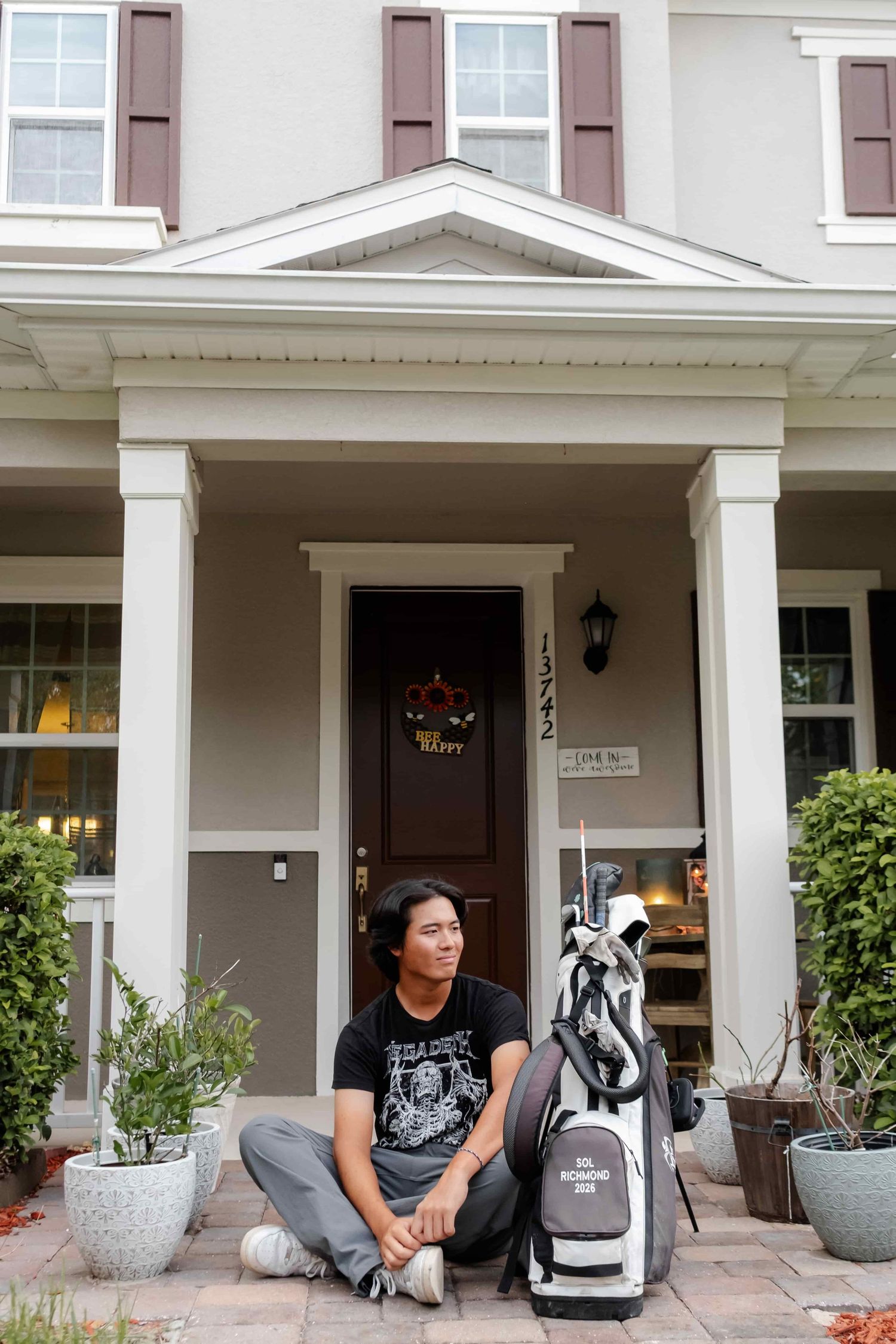
I saw this firsthand with a family I recently photographed. They were preparing to sell their home and move out of the country. During our initial phone call, they told me they wanted photographs they could look back on together and remember the home they had shared. The house represented a very specific part of their story. They had come to this country for a purpose, eventually owned a home together, and built a life there while their son pursued his dream of playing golf.
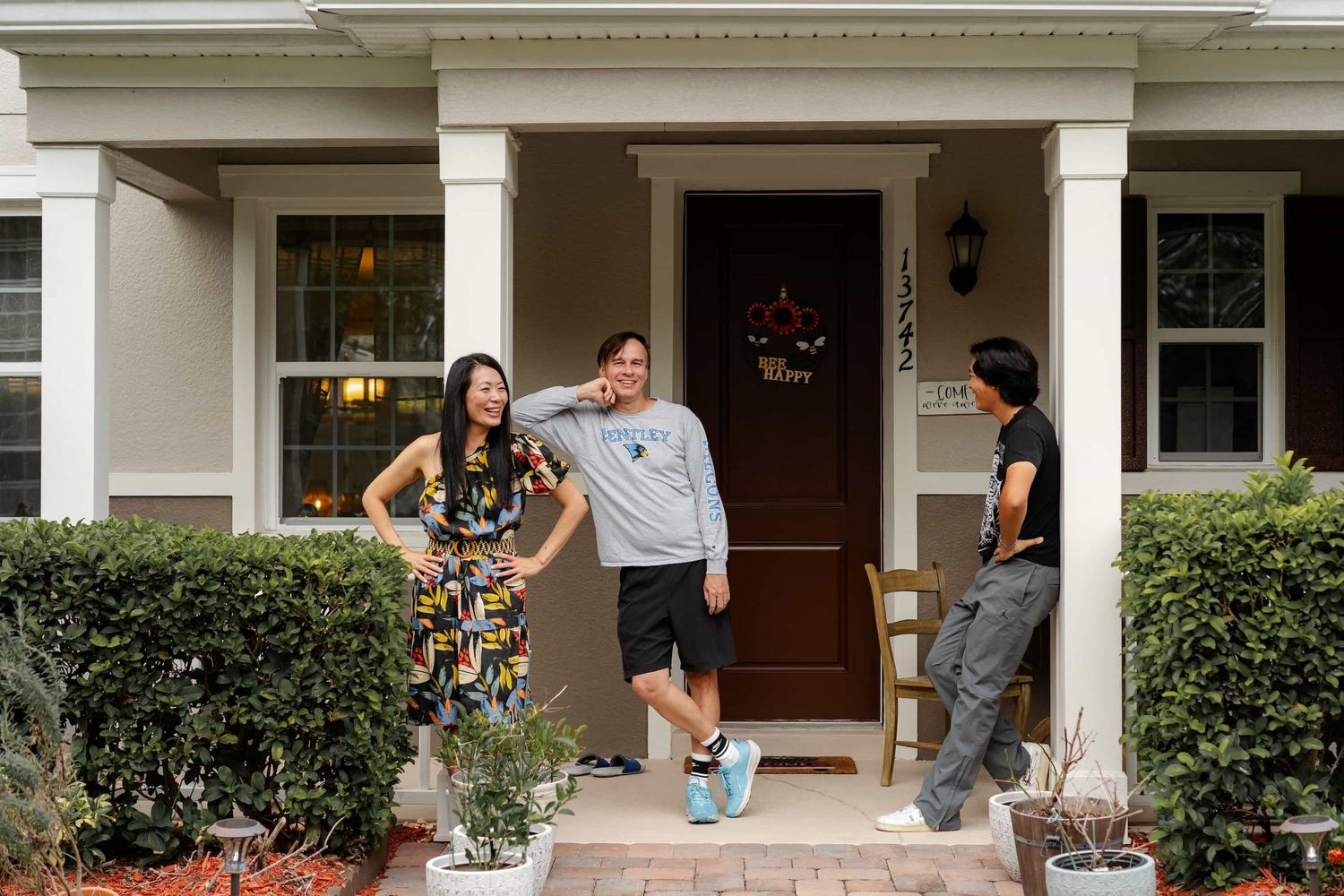
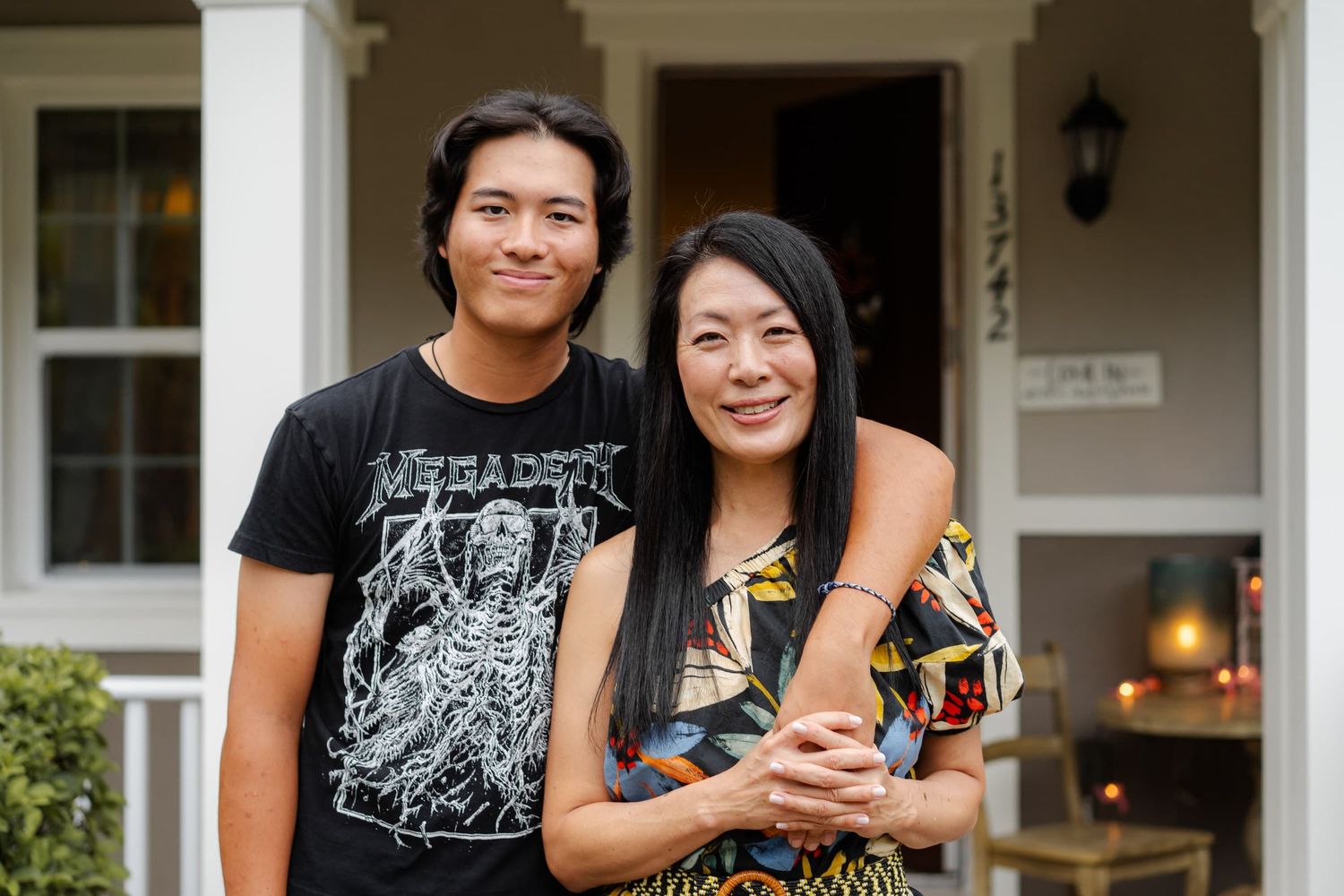
So the home wasn't simply a backdrop. It was part of what they wanted to remember. During their session, we spent time on the front porch. They laughed, joked, and interacted together in a way that felt completely natural. Nothing about it was particularly elaborate. They were simply being a family in a place that meant something to them.
The Ordinary Moments Are Part of the Story
I think we sometimes put too much pressure on family photography to document something important, like birthdays or milestones. Those are wonderful reasons to take photographs, but you don't need a special occasion to have something worth remembering.
Your family is changing all the time. The way that your children interact with you today will change. Your routines will change. Your home may change. Even the little things you barely notice now can become the things you miss most later.
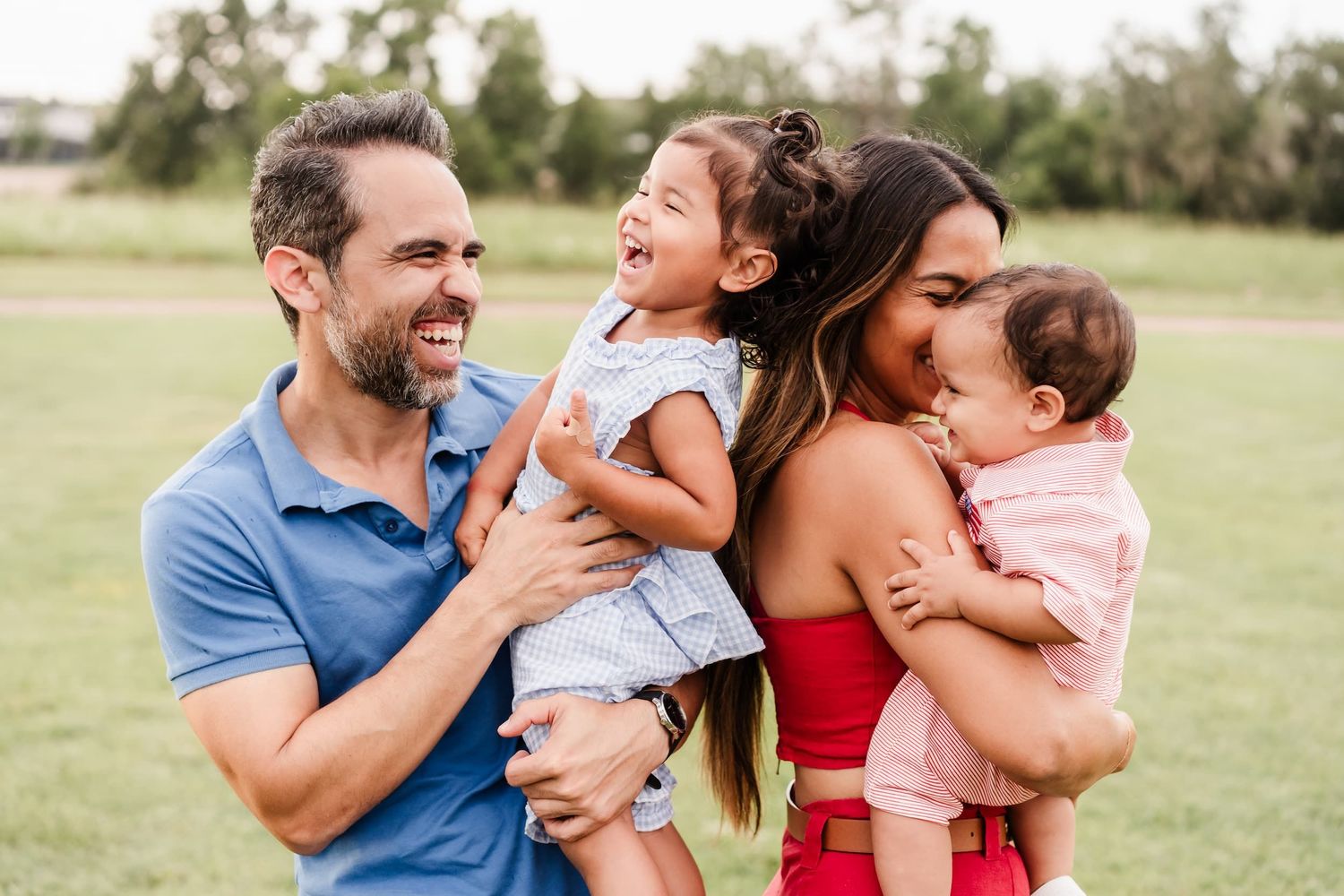
That's why I pay attention to the ordinary moments during a session. A hug, a quick laugh, the way someone looks at their child, or the way siblings naturally interact can tell you a lot about what life was like at that point in time. Those photographs often end up being the ones families connect with most.
Documentary Photography Leaves Room for Real Life
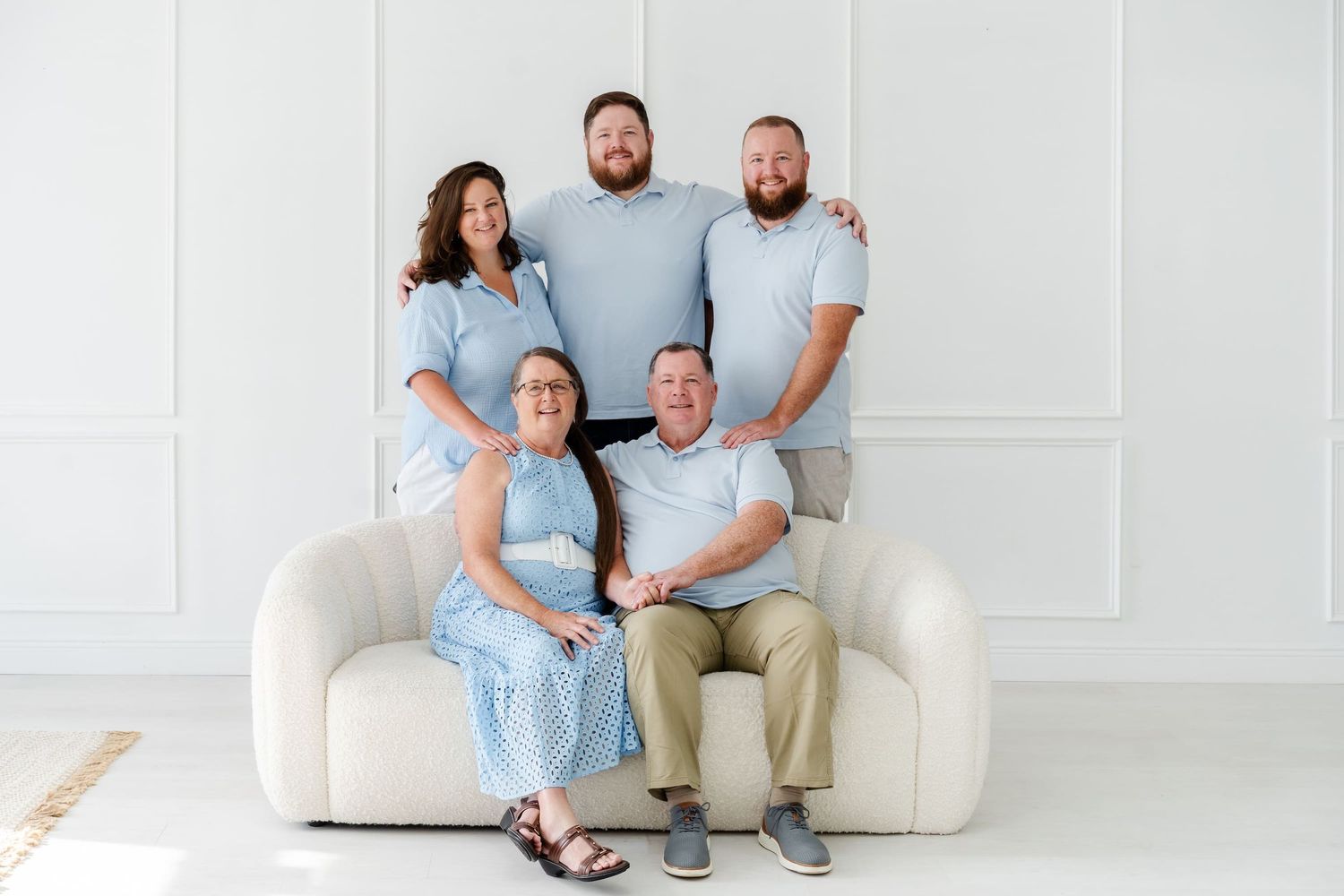
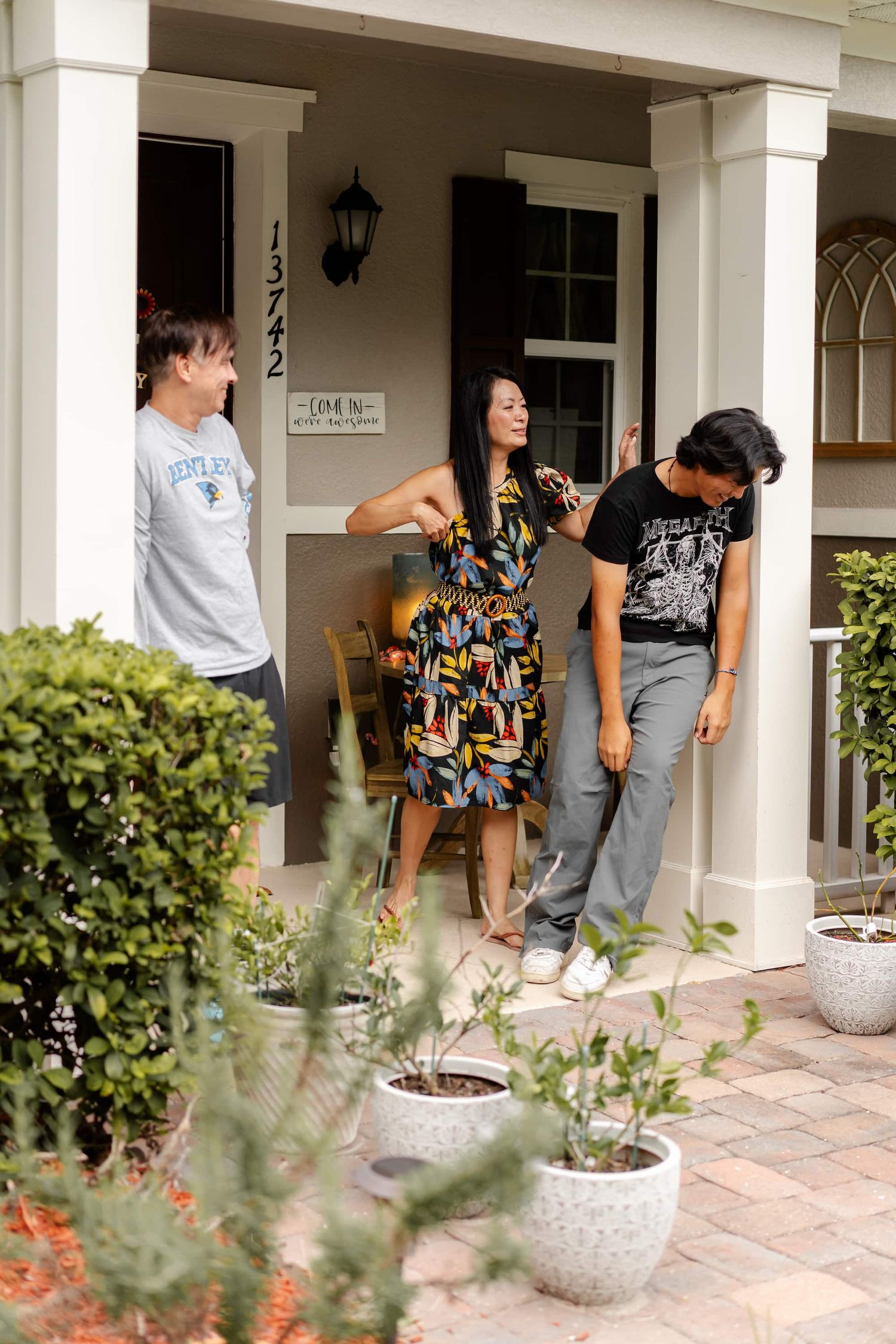
Documentary family photography doesn't mean I simply stand back and never interact with a family. I'm still guiding the session as needed. I might suggest where someone should sit or stand, give a prompt, or make a small adjustment if something is distracting from the photograph.
That said, I don't want to direct every single movement. I want to give families enough space for their own personalities and relationships to show up. That means I'm watching closely. I'm looking for expressions that happen quickly, familiar gestures, the way family members interact, and the small moments that might otherwise go unnoticed.
The goal isn't to make everything look perfectly posed. It's to create photographs that feel connected to the life you were actually living at the time of your session. Another similar type of photoshoot is Orlando lifestyle photography.
The Photographs You Don't Expect May Become Your Favorites
Families sometimes come into a session expecting the traditional family portrait to be the photograph they will love most.
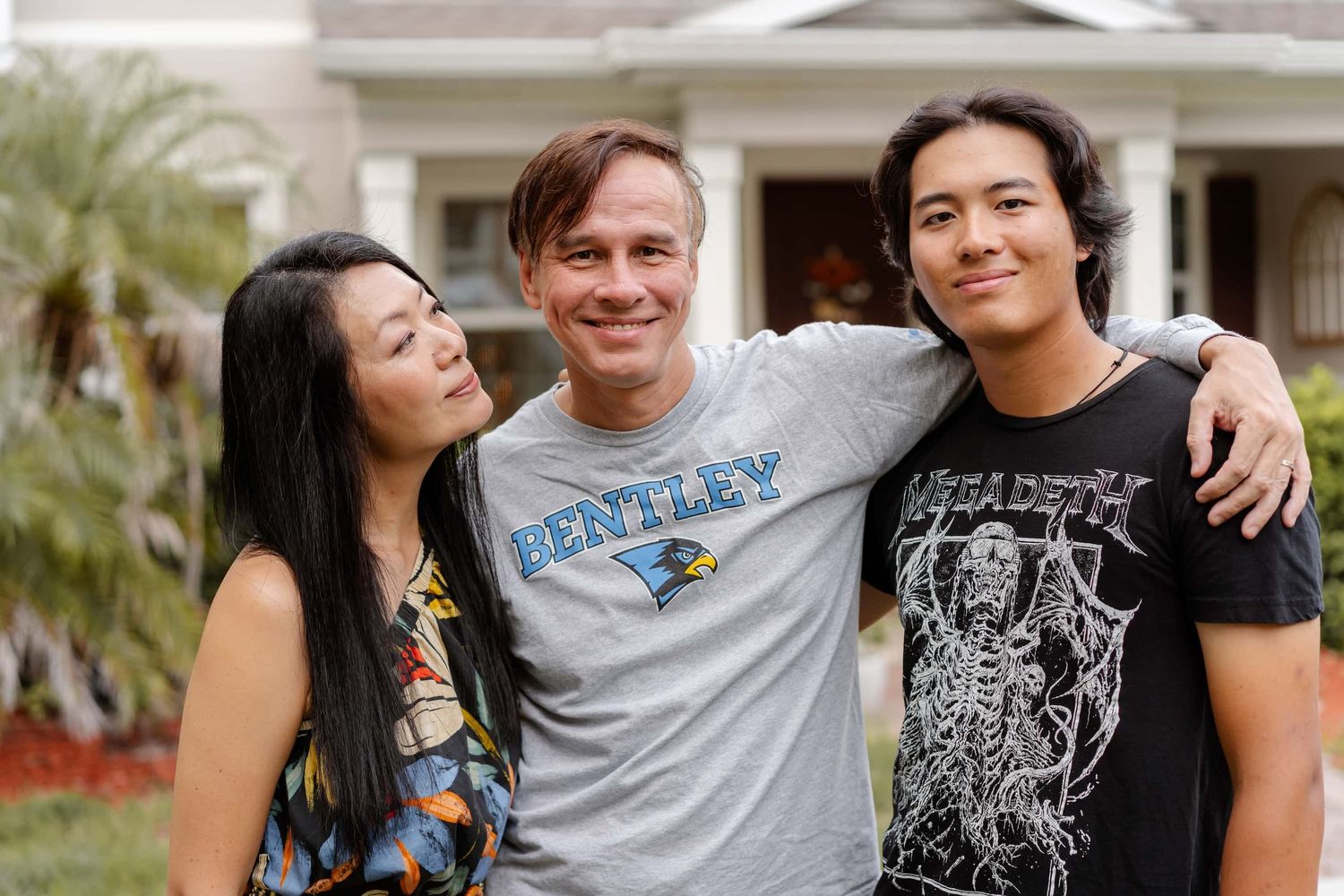
And those portraits can absolutely be important. But I've noticed that people often become especially attached to the photographs they didn't expect, such as the one where everyone was laughing or the image of a child leaning against a parent.
Those images may not be perfectly posed, but they feel like the people they know. That's important because photographs aren't only about remembering what someone looked like. They can remind you of who that person was.
You Don't Have to Wait for a Milestone
One of the things I love about documentary family photography is that there doesn't have to be a big reason to do it. A family doesn't have to be celebrating something or preparing for a major change. Sometimes you simply recognize that this particular version of your family won't always exist. I recently photographed a couple who wanted to document their first home together. It was a beautiful reminder that a home can represent an important part of a family's story even when nothing dramatic is happening. You may not realize how meaningful those years were until you're looking back on them.
Preserving Family Memories Means Preserving Context
When you look at an old photograph, the smallest details can bring back an entire period of your life. You might see the room and remember what happened there. You cam see your child's expression and remember what they were like at that age. You may see your family together in a familiar place and suddenly remember the life you were living. That's why I don't believe meaningful family photography has to happen against a plain background.
If a place has sentimental value, it deserves to be part of the story. Your home, front yard, neighborhood, the objects your family uses every day, all of these details can help bring a photograph back to life years later. You're not just remembering the people, you're remembering them there.
How to Preserve Your Family's Memories Through Photography
If you want your photographs to feel connected to your family's real life, start with what already matters to you. Think about the places your family spends time together. Think about the routines your children are going through right now. Think about the relationships, habits, and little details that make this stage of life uniquely yours. Then, let those things be part of the photographs.
You don't have to create a perfect version of your family for the camera. You don't have to wait until the house is spotless or everyone is in a good mood. Some of the things that feel ordinary now are low-key beautiful and may be exactly what you want to remember later.
What Will You Want to Remember Ten Years From Now?
I often think about what happens to photographs long after the session is over. Children grow up, families move, homes change, and people get older. The routines that once felt completely normal and mundane eventually become memories.
My hope is that when a family looks at their photographs years from now, they aren't simply reminded of what they looked like. I hope they are taken back to that place and time and feel how they felt then. Maybe they'll remember the home. Maybe they'll remember their child's laugh or the way everyone gathered on the porch. Maybe they'll remember an ordinary afternoon they had completely forgotten about until they saw the photograph. That is what makes family photography meaningful to me.
I believe family portrait photography is most meaningful when you are with the ones you love the most. It's the little things that become part of the story, and sometimes those little things are exactly what we want to remember.
If you're in a season of life that you know you'll want to look back on someday, you don't have to wait for a milestone. This version of your family is worth remembering, too, whether it seems exciting or mundane at the moment.
Frequently Asked Questions
What is documentary family photography?
Documentary family photography focuses on genuine interactions, relationships, environments, and moments rather than directing every photograph into a traditional pose. There can still be guidance from the photographer, but the goal is to leave room for your family's personalities to come through naturally.
Why is documentary photography meaningful for families?
It can preserve more than how your family looked at a particular point in time. It can also preserve relationships, surroundings, routines, personalities, and the everyday details that help bring an entire period of life back to memory.
Do you need a special occasion for documentary family photography?
No. A birthday, new baby, graduation, or move can be a wonderful reason to document your family, but you don't need a major milestone. Everyday family life is constantly changing, and that alone makes it worth remembering.
Can documentary family photography take place at home?
Absolutely. A family home can be especially meaningful because it is already connected to your family's memories and routines. The same idea can apply to any place that has significance to your family.
What should you photograph to preserve your family's memories?
Think beyond traditional portraits. Consider the people, relationships, places, routines, and little interactions that make this particular stage of your family's life unique. The details that seem ordinary today may be the things that bring the strongest memories back later.